The future we are trying to build
This is an imagined future. None of the people and places are real, nor do the depicted treatments exist today.
A walkthrough of the video
The future vision is simple. Routine cell therapy as a normal part of life. Getting there will require significant innovation across the cell therapy value chain. What follows is a preview of where we think the field is going.
An ordinary morning
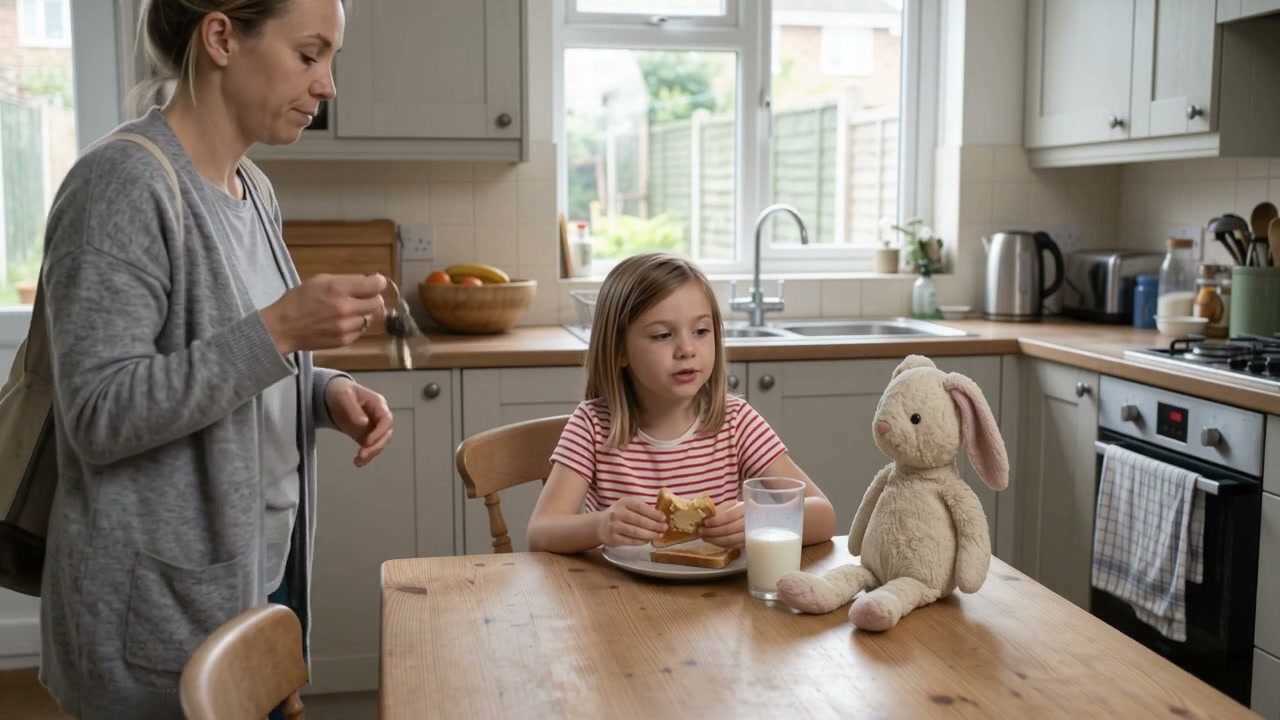
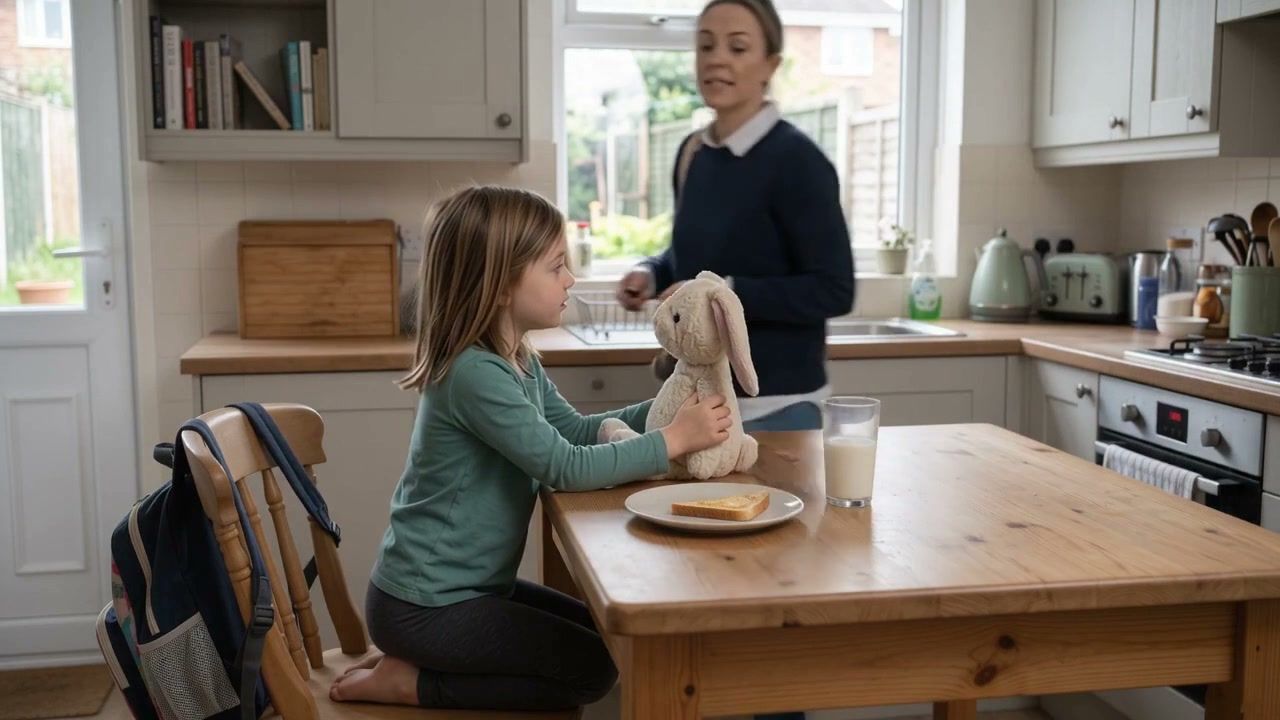
A child talks to her toy rabbit while her mother gets ready to leave. Treatment affects the whole family: work, school, travel, and time together. Our goal is to create more room for ordinary life.
Care close to home
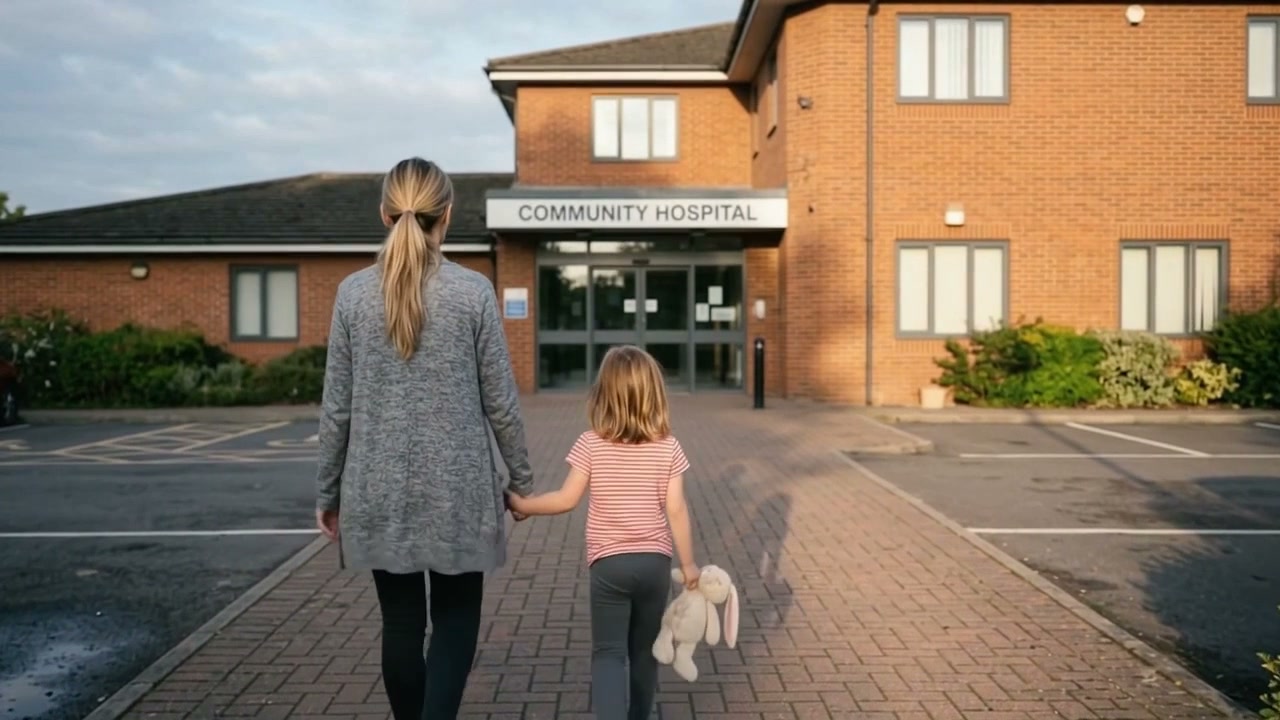
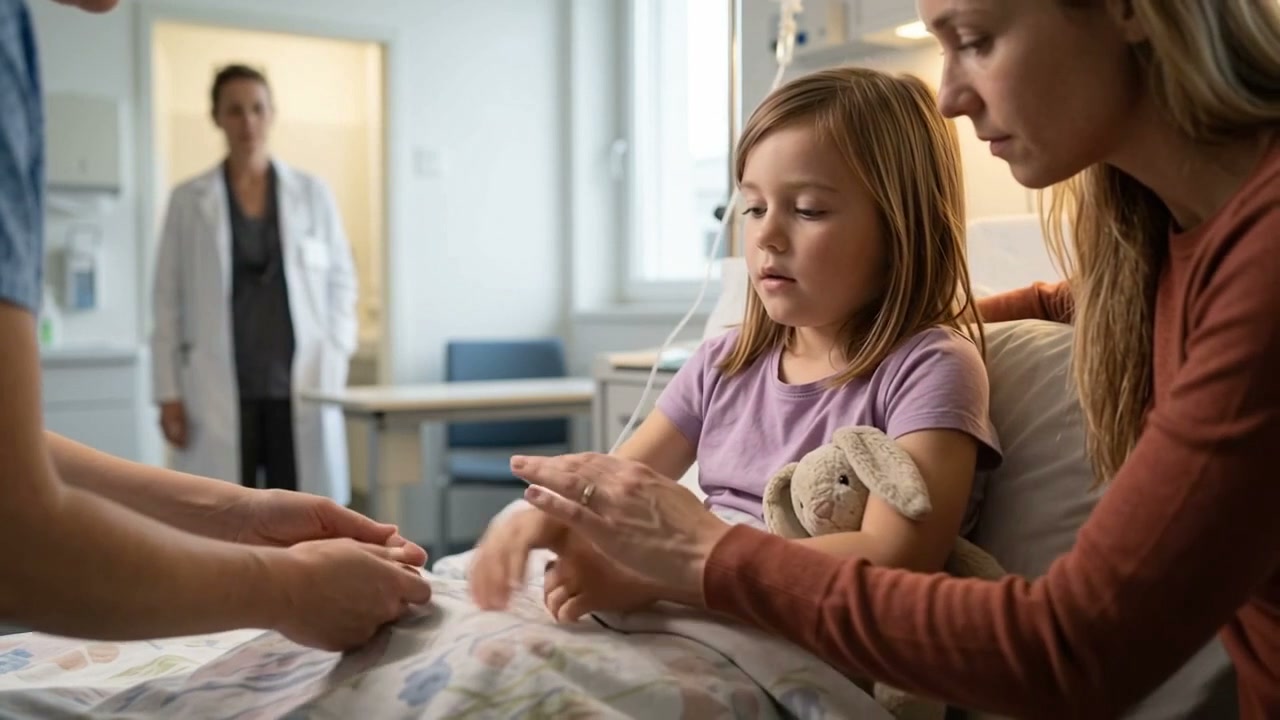
They walk into a community hospital. Cell therapies were originally developed and produced in academic labs adjacent to hospitals. Over time, production moved to large factories with complicated supply chains. We want to bring cell therapy production to your community, ideally within a 30 minute drive from where you live.
A simpler collection
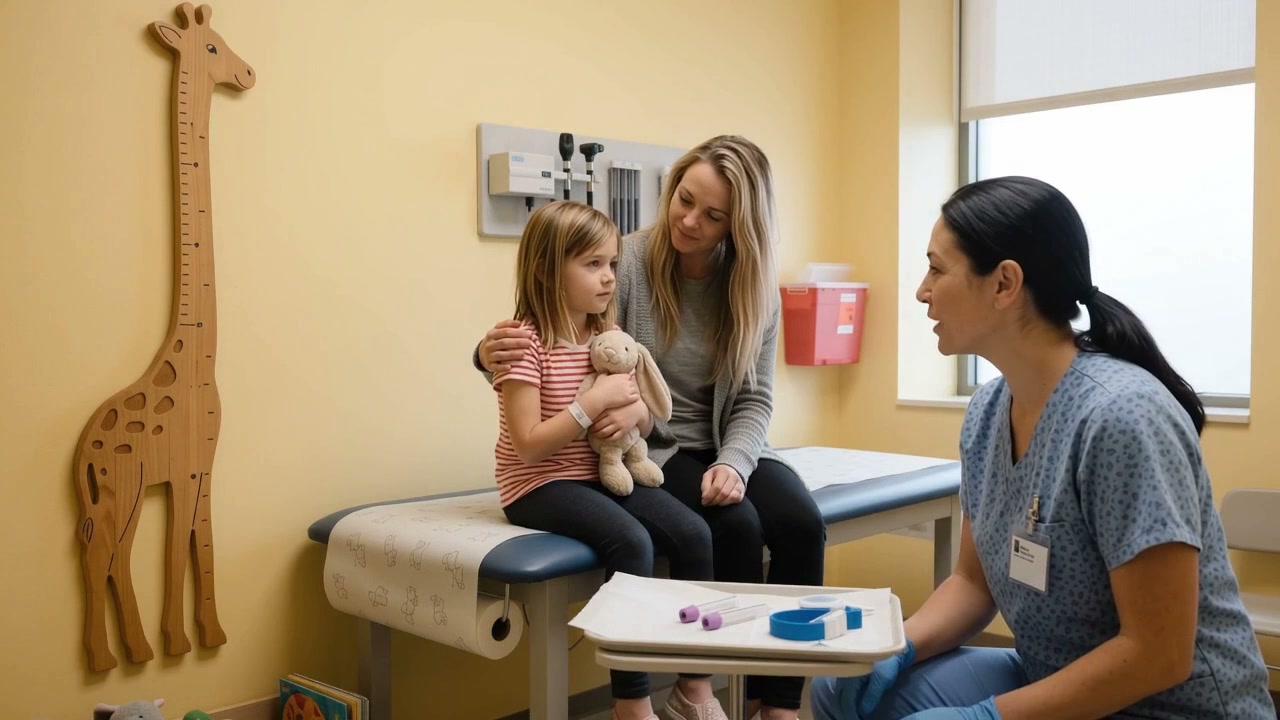
A quick blood draw starts the production. Unlike today’s therapies that rely on a complex leukapheresis process and a large number of cells, we think the future will be far less painful and disruptive. This means smaller doses1,2, collected from peripheral blood draws3, during a single visit.
What is inside the tube
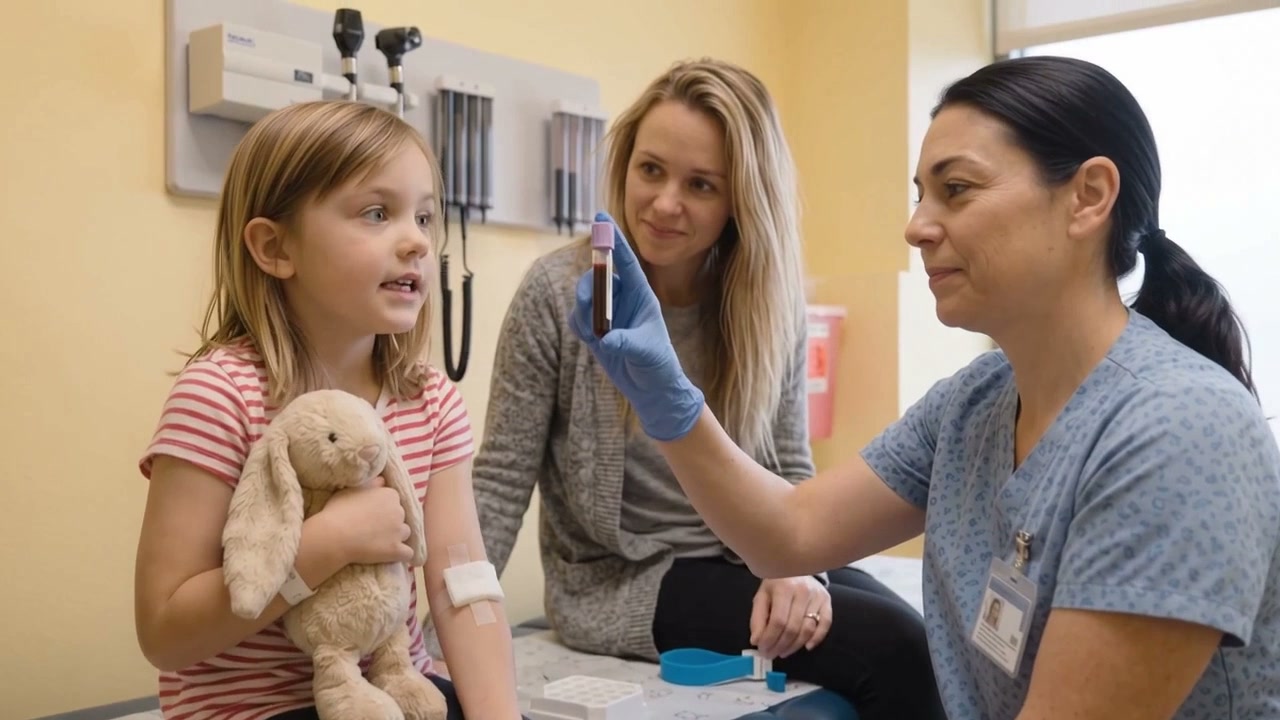
Every patient’s cells are different. Today, if a patient is unable to supply enough cells or the right kind of cells, they may not receive the therapy4. Managing patient variability means that we’ll be able to make a dose for any patient that could benefit, no matter their background or treatment history.
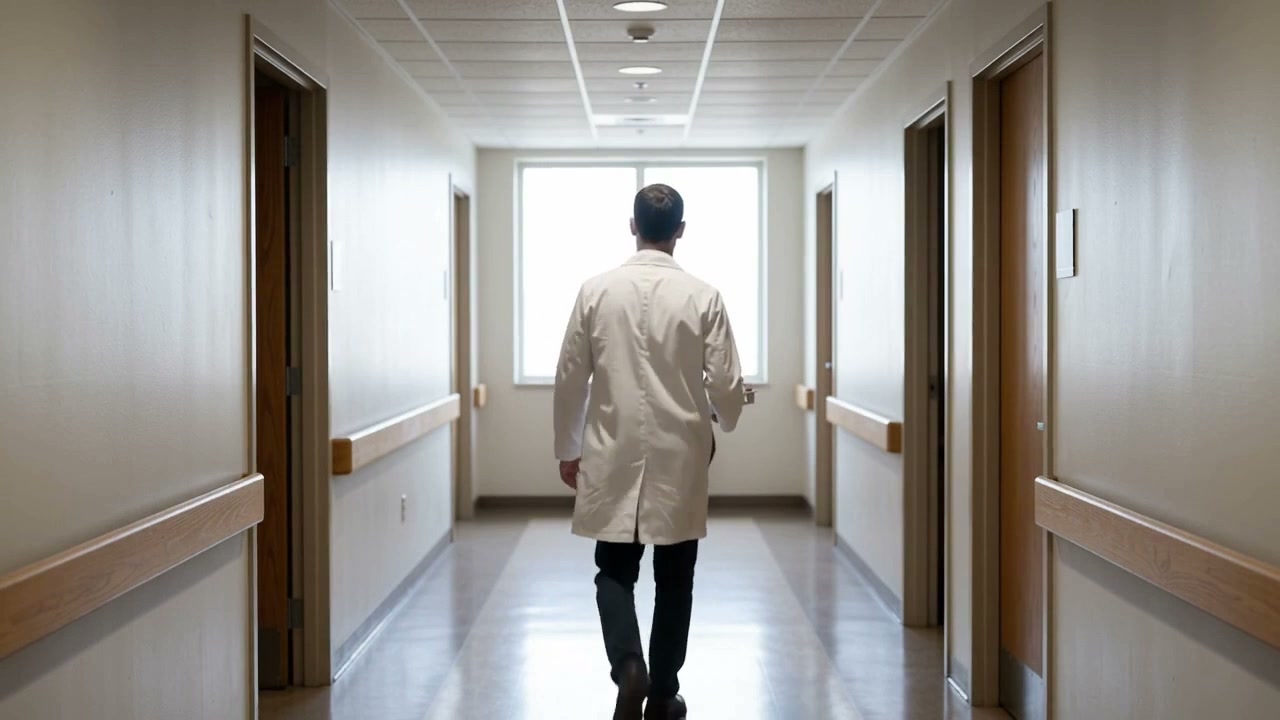
Down the hall
With local production, complex supply chains get replaced by a short walk down the hall. We’re working on technologies that make it possible to produce a cell therapy locally with no new clean rooms or QC laboratories.
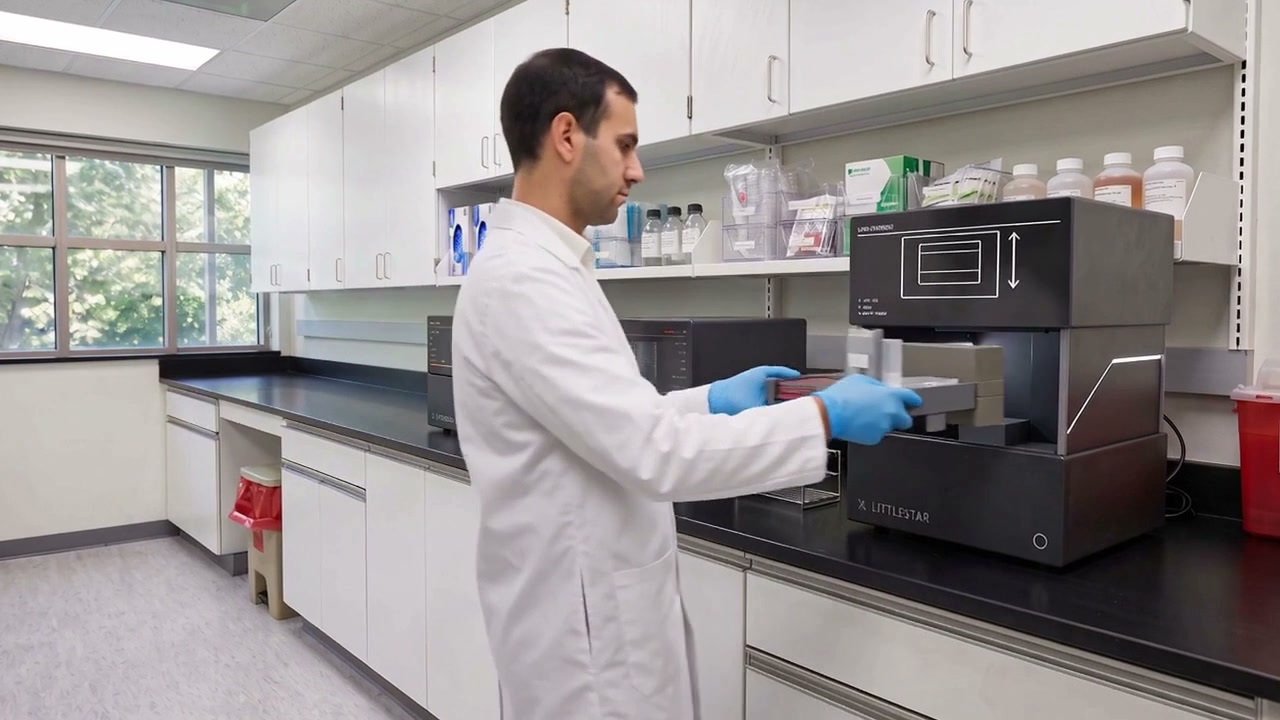
One patient, one cartridge
A single cartridge will take the starting material from beginning to end, from the collected blood to a dose ready to infuse. This is made possible by an integrated set of technologies that performs every step of the production process and dynamically adapts based on the patients cells and the needed therapeutic product.
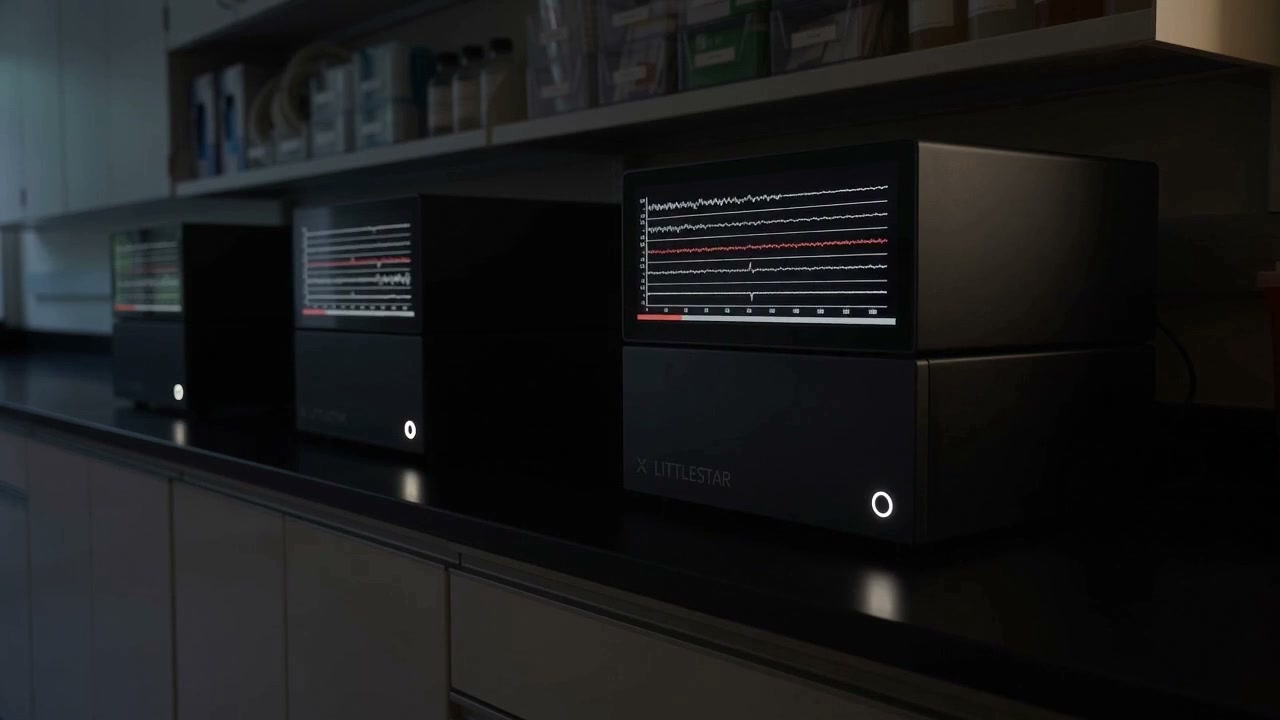
Work continues overnight
The system runs overnight, unattended, in a typical lab environment found in acute care settings today. Dose production is monitored and managed by the instrument.
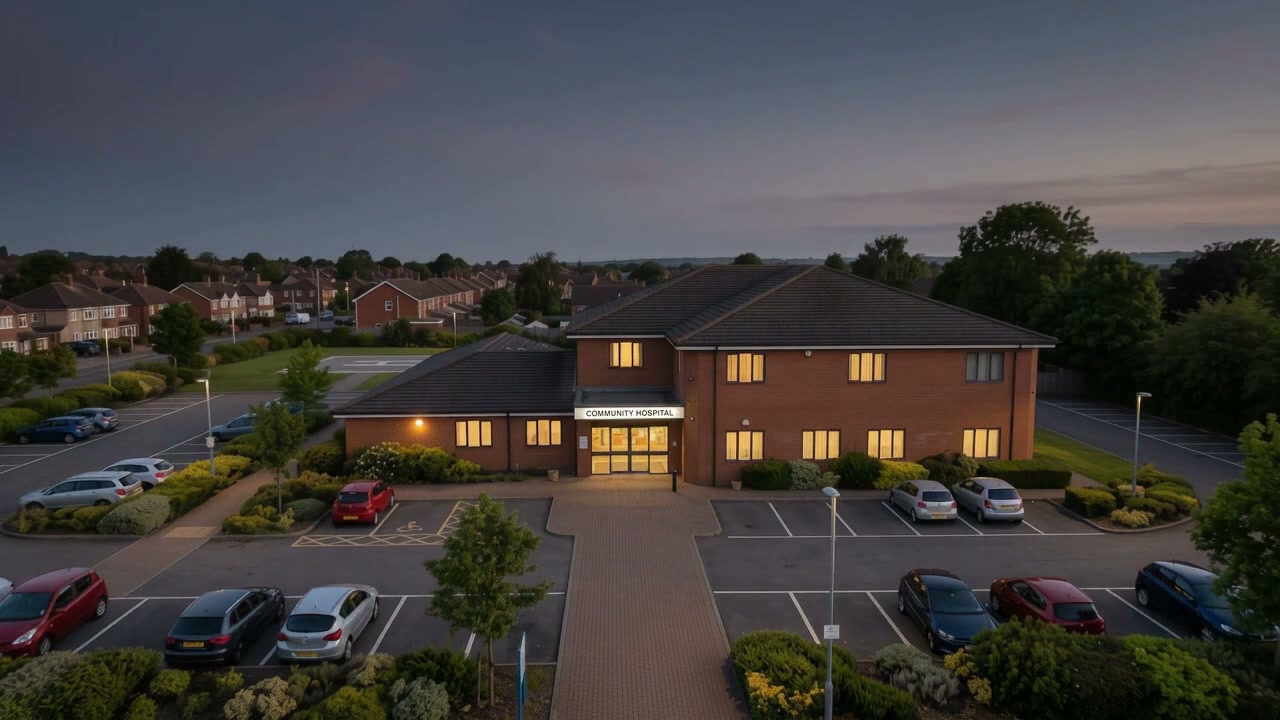
Manufacturing time and treatment time
Shorter manufacturing processes and smaller doses can reduce the overall time from collection to treatment, especially when the cells are made and given in the same hospital5,6,7,8. There is a real tension between accelerating the treatment and creating a dose that is unsafe or untested. We think the field will adopt a 2-3 day timeline from collection to infusion to ensure a dose is made correctly, and safely.
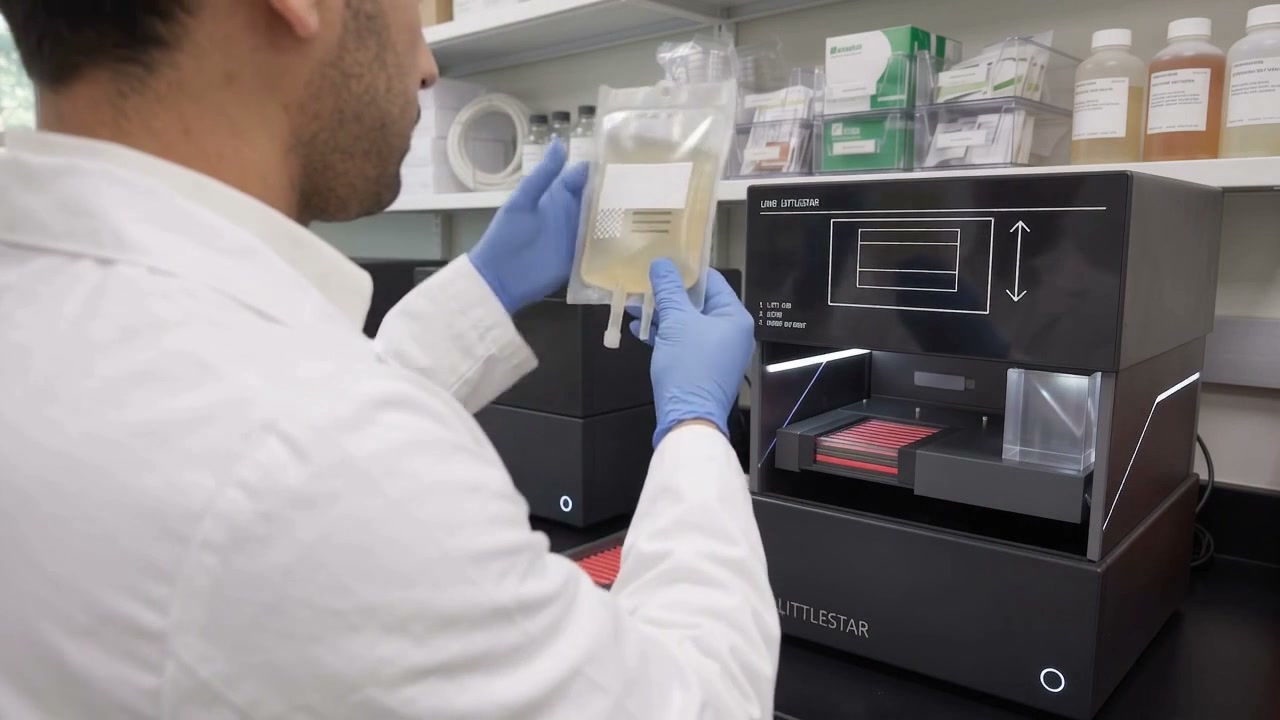
Knowing when a dose is ready
What a dose looks like and when it is ready to infuse needs to be informed by the patient, not set by a rigid process. FDA guidances provide a framework for an adaptive approach without compromising on the result9,10. Federal rules (CFRs) hold no matter where you produce the therapy or who is producing it11.
Back to an ordinary day
Back at home, having breakfast, and getting ready for school. Her disease is gone. Her treatment is an afterthought. The biggest concern she has is homework. This is the future we’re trying to build.
About the video
This video was generated with AI. We used Claude to design the script and setting, Google’s Omni for image, video, and audio generations, and Claude with Davinci Resolve to edit it into the version you see above.
It’s not perfect. It’s not meant to be perfect. It’s meant to communicate our vision for the future we’re trying to build. But let’s turn the bugs into a feature: we’ve identified 20 continuity errors in the video above. See how many you can find and compare with our list. If you find one that we missed, send us an email at [email protected] and we’ll send you a token of appreciation.
Continuity issues
- The second slice of toast disappears.
- The nurse moves the tube unnaturally to a second grip.
- The girl's eye blanks out for a frame.
- The backpack strap goes through the chair.
- Mom's keys change in number.
- Mom's wedding ring goes from her right hand to her left.
- The nurse prepares two empty blood draw tubes, but the second one disappears.
- The nurse's badge keeps changing.
- The number of doors in the hallway changes.
- The kitchen table seems to move.
- Mom's bag is a backpack (straps on both shoulders), but when she turns around it's a tote (strap on one shoulder).
- The door is fused to the frame near the floor.
- The towel on the oven doesn't really make sense.
- The bottom cabinet by the back door has two different knobs.
- The coiled cord comes in and out of the earpiece holder.
- The lab shelves change overnight: three bottles become four, and the tubing moves next to the bottles.
- The bunny's facial proportions change throughout.
- The kettle, toaster, and back door handle change from the beginning to the end.
- A new cabinet has two knobs, and the first cabinet's big knob is missing.
- The light switch by the door is gone.